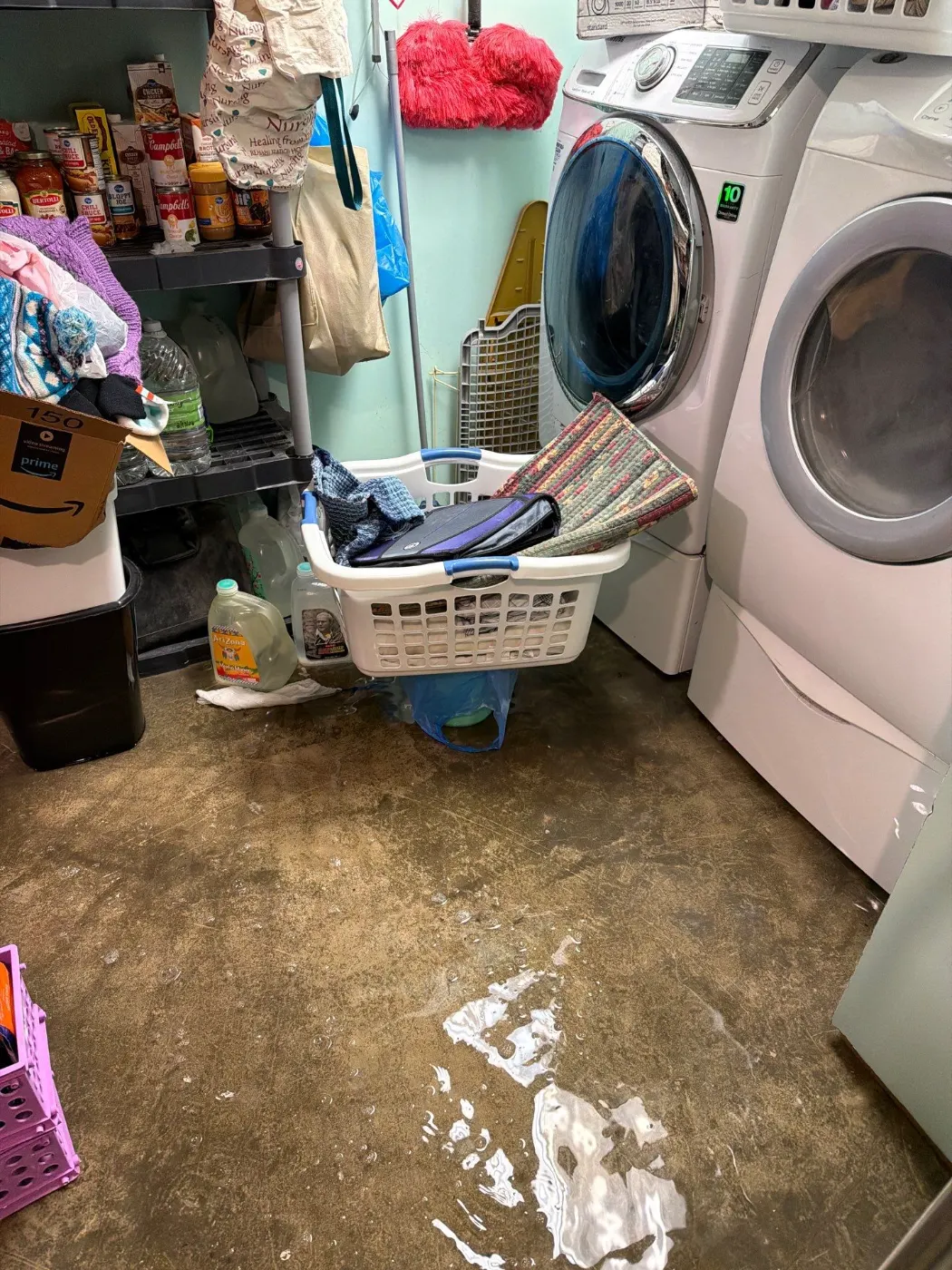
Commercial Flood Damage Cleanup in Shelbyville, IN
Phased reopening backed by moisture readings per zone, on commercial flood losses throughout Shelbyville and Shelby County.
When Shelbyville homeowners need Commercial Flood Damage Cleanup, Shelbyville Water Restoration responds 24/7 with certified technicians, fast equipment deployment, and claim ready documentation. Call (765) 978-5086 for immediate dispatch.
- Service: Commercial Flood Damage Cleanup for Shelbyville homeowners
- Service area: Shelbyville, IN and surrounding areas
- Response time: Fast local response for Shelbyville; live dispatch every hour of the year
- Licensed and insured (License #RC21100059)
- Serving Shelbyville, IN since 2018
Commercial Flood Cleanup in Shelbyville
We'll pump out and dry commercial buildings in Shelbyville after floodwater gets inside.
Flood Exposure Here
Flood risk here runs highest for sites close to the Big Blue River and the Little Blue River. The Big Blue River has a flood history that nearby sites should plan around. Your building's own flood exposure gets mapped when we walk the site with your facilities contact.
Our flood crews work commercial sites throughout Shelbyville, including the blocks around Public Square. We also handle commercial flood cleanup in Greensburg, Saint Paul, Waldron and Fairland.
Commercial Flood Damage Cleanup for Shelbyville Businesses
Storm water that crossed a parking lot before it entered your building gets handled as the most contaminated kind of water, and that changes what gets saved and what leaves in a dumpster. Shelbyville Water Restoration classifies the water on commercial flood losses in Shelbyville before the crew opens a wall, because that call drives the containment, the protective equipment, the disposal records, and what you're able to tell staff about coming back into the space.
The water category gets decided and written down before the first wall is opened. For rising floodwater and surface runoff, Shelbyville Water Restoration treats the water as Category 3 and records where it entered and what it crossed to get there. That record sets the protective equipment and the disposal plan for your Shelbyville property.
Sections get released as they reach dry standard. Each zone has its own readings, so an area that clears can go back into use while the crew keeps drying a below grade level or a slab that's still holding water. The release gets documented with the readings supporting it, and the crew lead walks the boundary with you so everyone knows where the active work area starts.
Category 3 losses carry their own documentation requirements. Material removed from a contaminated area has to be identified and quantified, with disposal records to match, and the containment and protective equipment the job required belongs in the same file. Shelbyville Water Restoration photographs each affected area before removal, logs what came out by room and in what quantity, keeps the disposal paper, and records the equipment used, because a Category 3 scope needs all of it on paper.
You don't have to decide the whole project on the phone. Shelbyville Water Restoration will dispatch a crew to your Shelbyville building within two hours, pump the standing water, map what's wet, and give you a written scope before anything structural comes out. That's enough to stop the loss from growing while you talk to your carrier and your ownership group about the rest.
Signs You Need Commercial Flood Damage Cleanup
If you notice any of these in your Shelbyville building, schedule a free inspection before the issue worsens.
Beads of moisture under plastic sheeting or mats taped to a concrete floor for a day or two
Dried silt leaving gray dust on shelving and walls once the floor surface dries
White powdery efflorescence appearing on block or poured concrete walls on a below grade level
Water sitting in the loading dock well because the dock drain can't keep up
Floor drains backing up or holding water long after the last discharge into them
Standing water in an underground parking level with an oily film on the surface
Floodwater that reached electrical panels or outlets on the ground floor
Water staining on stairwell walls or landings leading down to a basement or garage level
A damp dark band across the concrete slab that spreads overnight and shrinks during the day
Dripping from the deck above into a drop ceiling, with wet insulation visible through the grid
How Shelbyville Water Restoration Handles Commercial Flood Damage Cleanup
We follow these steps in order on every Shelbyville job.
Mapping the Wet Area
Thermal imaging and penetrating meters survey every affected area, including the slab, wall cavities, ceiling plenums, and anything below grade. The wet boundary gets marked on a floor plan, so the drying scope matches the real footprint of the water and a carrier can follow why each area was treated.
Removing Soaked Materials
Porous materials soaked by floodwater, such as carpet and drywall, come out to the height the readings call for and get bagged where they fall. Each area is photographed before and after, and quantities go in the log.
HVAC Coordination
The crew works with building engineering to set the air handlers where they support drying and keep humid air out of unaffected areas. Ductwork and units that sat in water get flagged for your HVAC contractor to check before the system goes back into service.
Final Readings and Walkthrough
Equipment is pulled in stages as each material meets the dry standard on consecutive visits. The crew lead then walks the building with you, and the final readings by location go into the file.
Closeout File and Repair List
You receive the photographs, readings, equipment logs and disposal records in one file, along with a list of what was removed room by room. The people doing the repairs can scope from that list.
Commercial Flood Damage Cleanup in Shelbyville
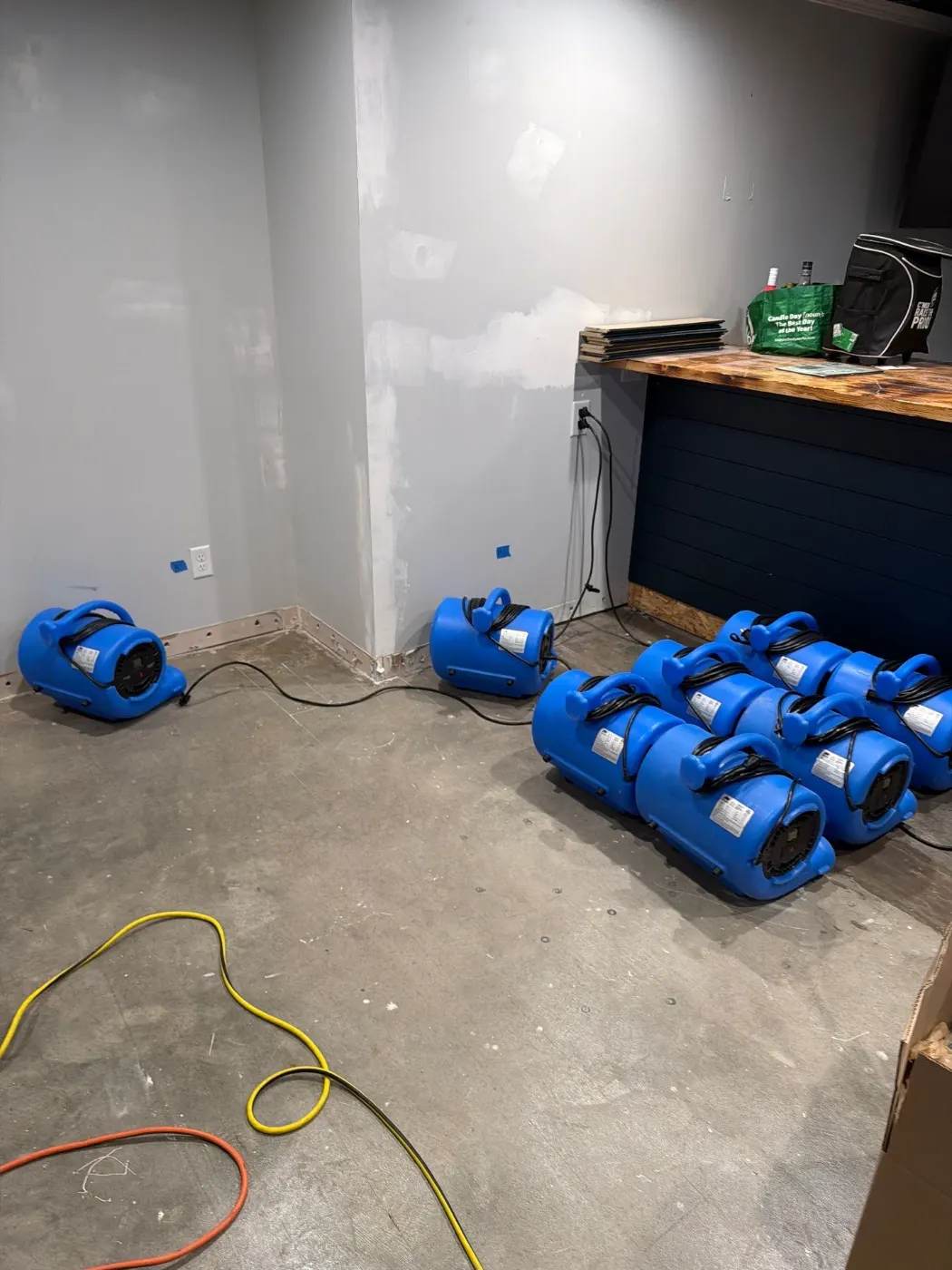
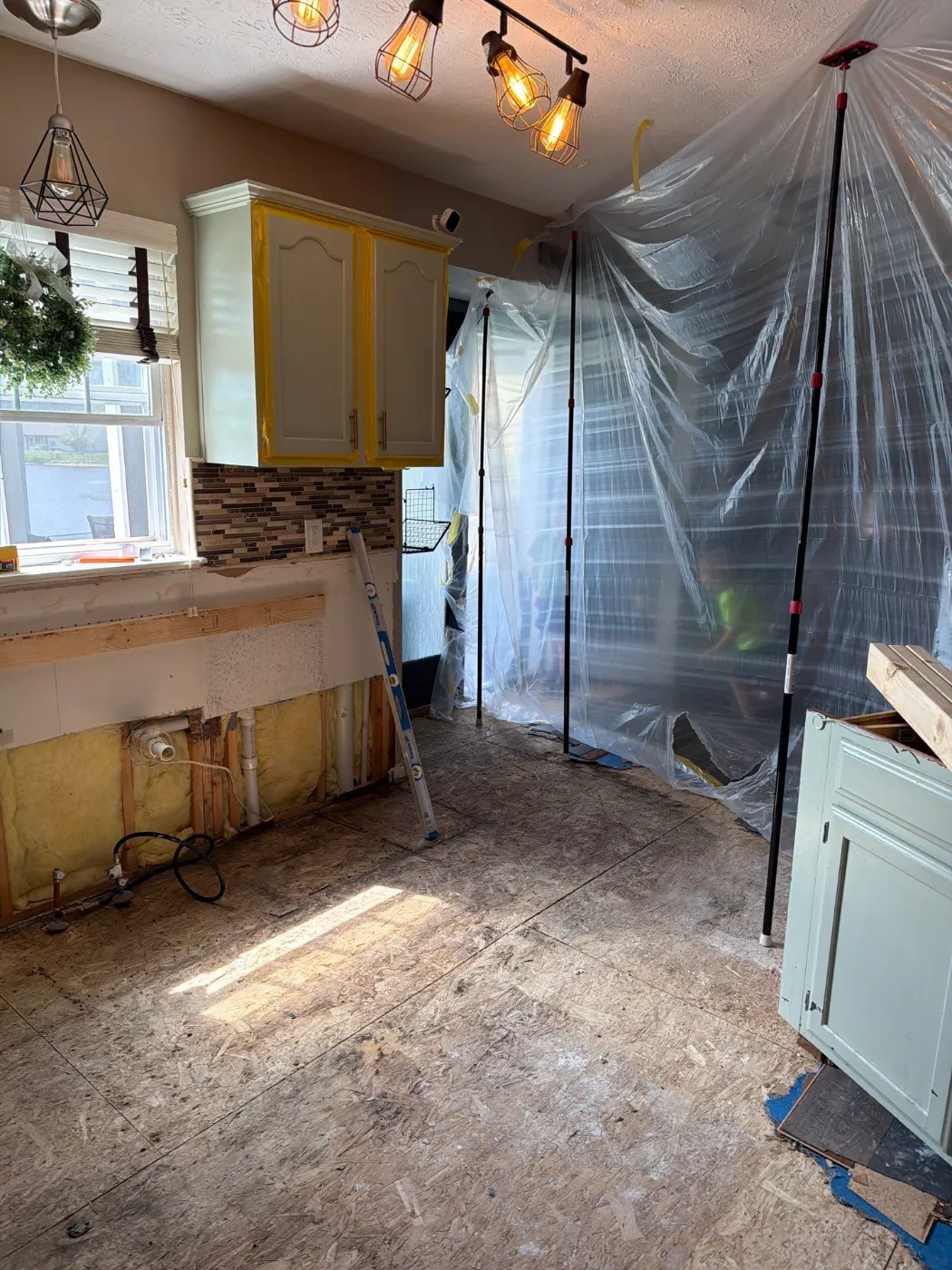
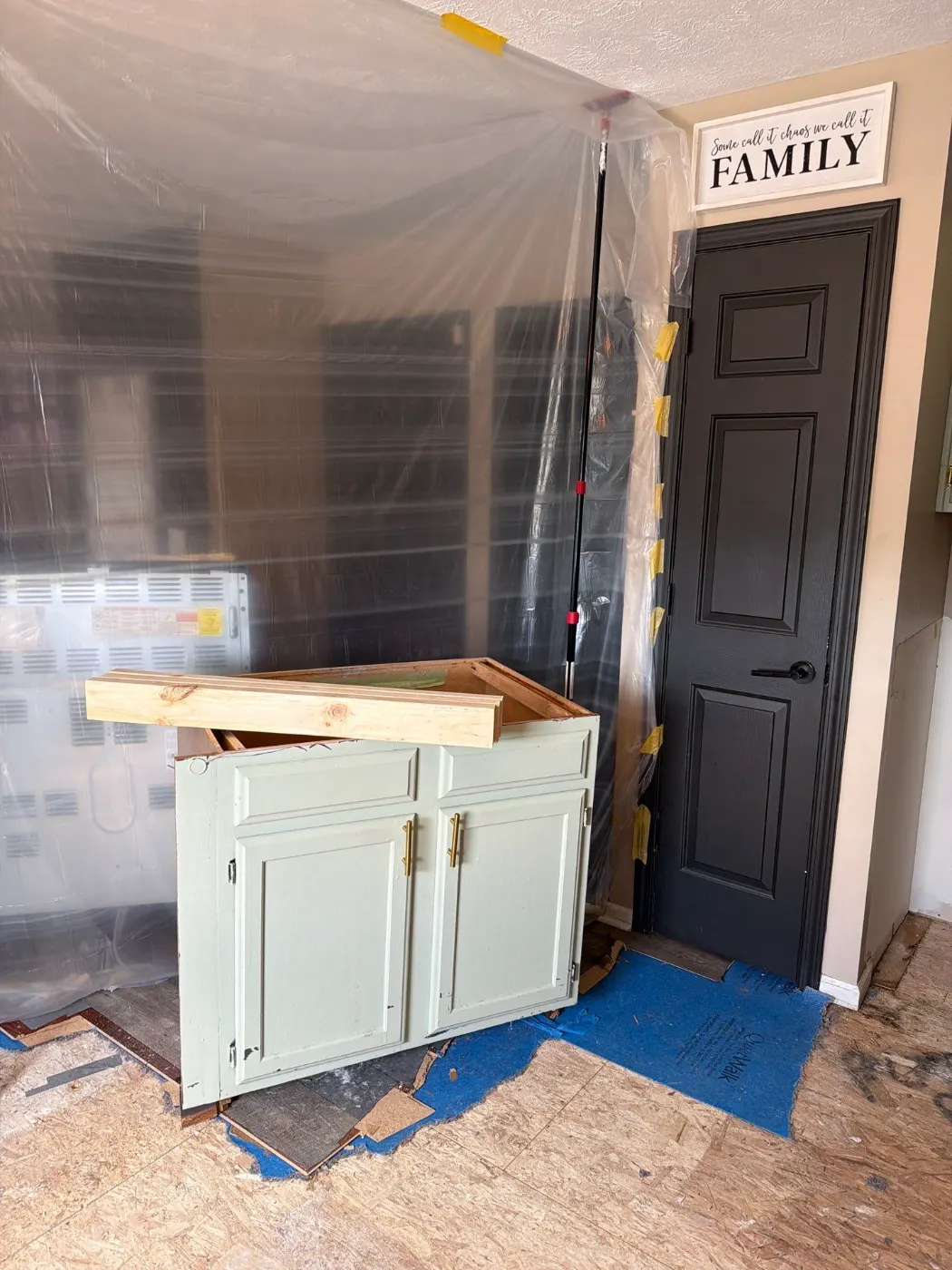
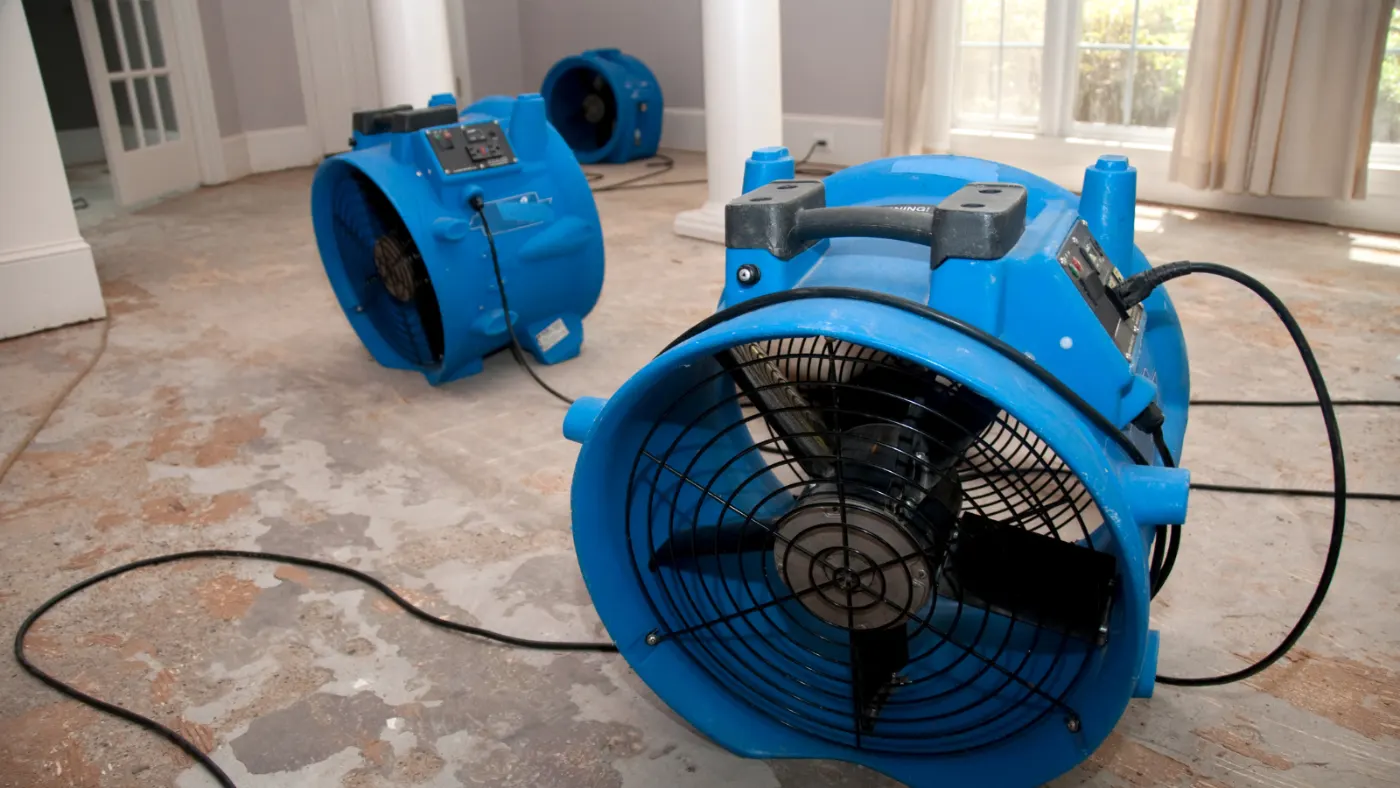
Photographs from real commercial flood damage cleanup jobs completed by our crew in Shelbyville and surrounding areas.
Commercial Flood Damage Cleanup FAQ
Questions Shelbyville property managers ask us about commercial flood damage cleanup.
Guidance and Standards for Commercial Flood Damage Cleanup
- The ANSI/IICRC S500 is the published standard for professional water damage restoration. The current edition is the Fifth Edition, 2021. IICRC S500 Standard
- EPA advises drying water damaged areas and items within 24 to 48 hours to prevent mold growth. EPA: A Brief Guide to Mold, Moisture and Your Home
Shelbyville Neighborhoods We Serve
We take commercial flood damage cleanup calls in every part of Shelbyville. Pick your neighborhood for local details.
Other Restoration Services in Shelbyville
Shelbyville Water Restoration handles the full scope of restoration work. Explore our other services below.
Water Damage Restoration in Shelbyville
24/7 emergency response. IICRC certified water restoration from extraction to full dry out.
Learn more →Basement Flooding in Shelbyville
Basement water emergencies handled fast. Extraction, drying, mold prevention.
Learn more →Sewage Cleanup in Shelbyville
Category 3 biohazard cleanup. Full containment, decontamination, structural restoration.
Learn more →Request Commercial Flood Damage Cleanup
Reach Us Directly
Our team is available 24/7 for emergencies and ready to schedule inspections during business hours.
Need Immediate Help?
For active water or mold emergencies, call us directly. We are available 24/7.