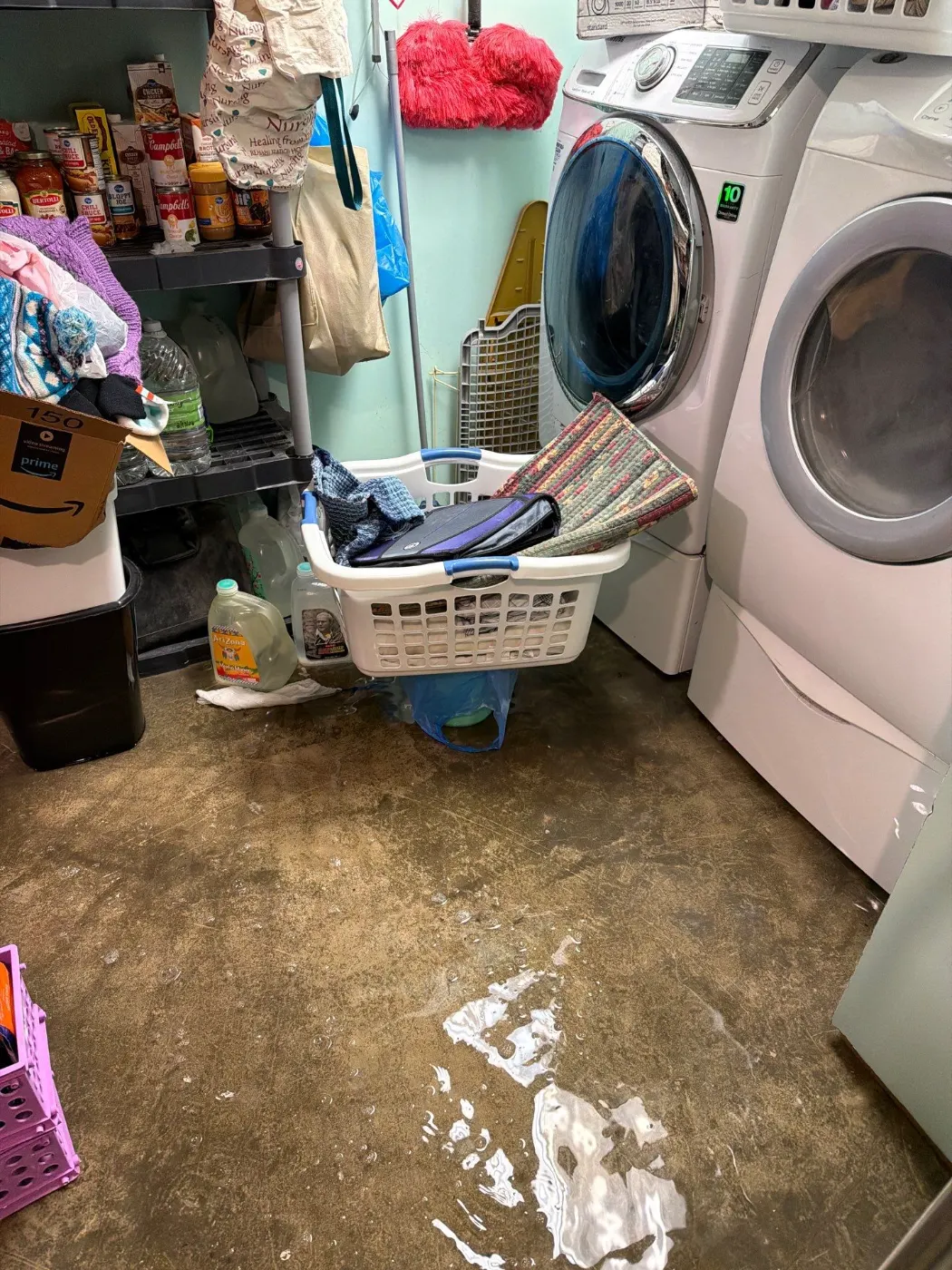
Commercial Storm Damage in Shelbyville, IN
Commercial storm response for Shelbyville, IN, with two hour dispatch and moisture readings keyed to your floor plan.
Commercial Storm Damage in Shelbyville, IN starts with one call to Shelbyville Water Restoration: live 24/7 dispatch, IICRC certified response, and honest written scopes before work begins. Call (765) 978-5086.
- Service: Commercial Storm Damage for Shelbyville homeowners
- Service area: Shelbyville, IN and surrounding areas
- Response time: Fast local response for Shelbyville; live dispatch every hour of the year
- Licensed and insured (License #RC21100059)
- Serving Shelbyville, IN since 2018
Commercial Storm Damage Cleanup in Shelbyville
After a storm hits a commercial building in Shelbyville, we'll cover the opening and then dry out the space underneath it.
Storms Here
The Big Blue River has a flood history that nearby sites should plan around. Spring and summer are severe thunderstorm season here. NWS Indianapolis posts summaries of past storms, which helps when your carrier asks for a date.
We respond to storm calls from businesses anywhere in Shelbyville, including those around Public Square. We also handle commercial storm damage in Edinburgh, Greensburg, Saint Paul and Waldron.
Commercial Storm Damage for Shelbyville Businesses
Wind driven rain can find its way in without any opening in the roof. It works through failed sealant joints in a curtain wall or around window gaskets, then shows up as a wet floor a couple of bays in from the glass. Shelbyville Water Restoration traces commercial intrusion in Shelbyville back to the actual entry point with thermal imaging and moisture meters, then dries the cavity the water filled on its way in.
Photos get taken the same way on every visit, with a wide view of the room from a marked position and a close up of each reading with the meter in frame. Each image carries the room name and the date. When the file for your Shelbyville building is reviewed months later, anyone can match a photo to its wall and its reading.
Jobs close on readings. Affected materials in your Shelbyville building have to match the dry standard taken from an unaffected part of the same structure, measured with the same meter on the same scale. Equipment comes out after that, final readings go in the file with the photos, and a punch walk with the property manager sets what reconstruction still owes.
Shelbyville Water Restoration builds the mitigation package in the format commercial adjusters work in, with an itemized scope, photo documentation by location, daily moisture and humidity logs, an equipment inventory with hours and a floor plan marked with the affected areas. You and your broker decide how to use it with your carrier, and the team answers questions in writing with you copied.
Call Shelbyville Water Restoration to get commercial storm intrusion in Shelbyville, IN stopped and documented. Dispatch runs day or night, with desiccant and refrigerant drying capacity for open floor plates and a file your carrier's reviewer can follow. Property managers and owners can call with questions at any point in the job.
Signs You Need Commercial Storm Damage Restoration
If you notice any of these in your Shelbyville building, schedule a free inspection before the issue worsens.
Stored records or fixtures with wet edges or water stains along the bottom
Insulation batts above the ceiling grid that are compressed, matted, or dripping at the edges
Grout between floor tiles darkening in a pattern that spreads a little more each day
Fresh brown rings on ceiling tile directly under an interior roof drain line
Interior wall base swelling, delaminating, or pulling away from the gypsum behind it
Water standing in a elevator pit, or a pit pump that's been cycling longer than usual
Bubbles, blisters, or soft spots underfoot when you walk a low slope membrane
Rust streaks or white efflorescence running down an interior wall below a parapet line
A supply diffuser dripping water or showing rust streaks after a storm
Cardboard cartons on the bottom pallet positions that have darkened and gone soft
How Shelbyville Water Restoration Handles Commercial Storm Damage
We follow these steps in order on every Shelbyville job.
Contents and Inventory Protection
Stock and equipment on wet floors get lifted onto blocking or moved to dry ground, with plastic over anything that has to stay. A photo list records what moved and where, which supports each tenant's own claim.
Water Path Check
The crew traces the water from the roof breach down through the ceiling to the floors below and photographs the path. Water that backed up out of a drain tied into a sanitary line gets handled as sewage, and that call drives the protocol.
Containment and Air Control
Barriers go up at a corridor wall or partition line so one wet bay doesn't shut a whole floor. Negative air machines with HEPA filtration run where materials are coming out, and the crew keeps equipment clear of egress paths.
Structural Drying Setup
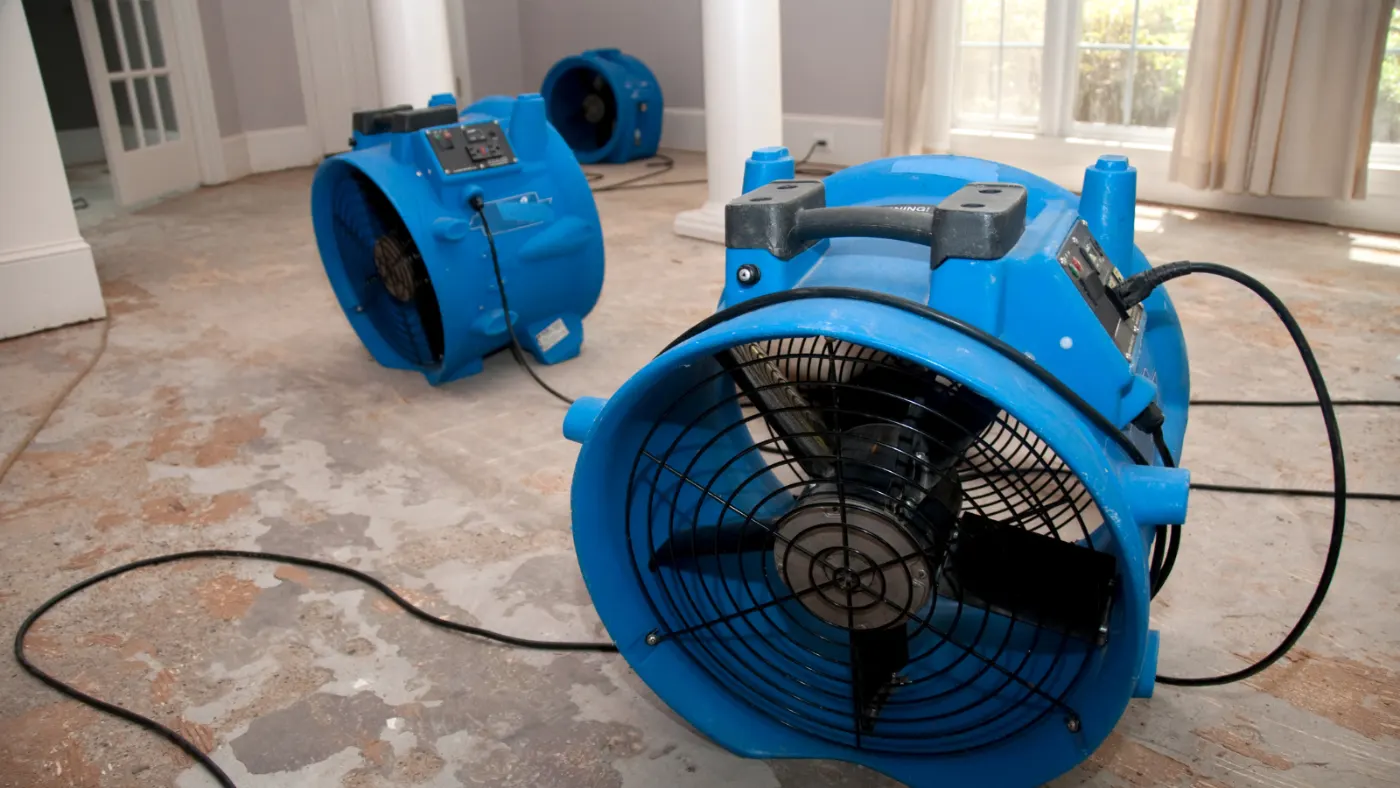
Dehumidification is sized to affected cubic footage, desiccant for open floor plates and refrigerant units for enclosed suites. Air movers go in at calculated angles. The crew checks available amperage and brings distribution or generator power when building panels can't carry the load.
Midpoint Scope Review
Partway through the job, the crew compares the readings with the projected equipment period and tells the property manager if the schedule or the scope has moved. Added removal is photographed and explained before the work starts.
Commercial Storm Damage in Shelbyville
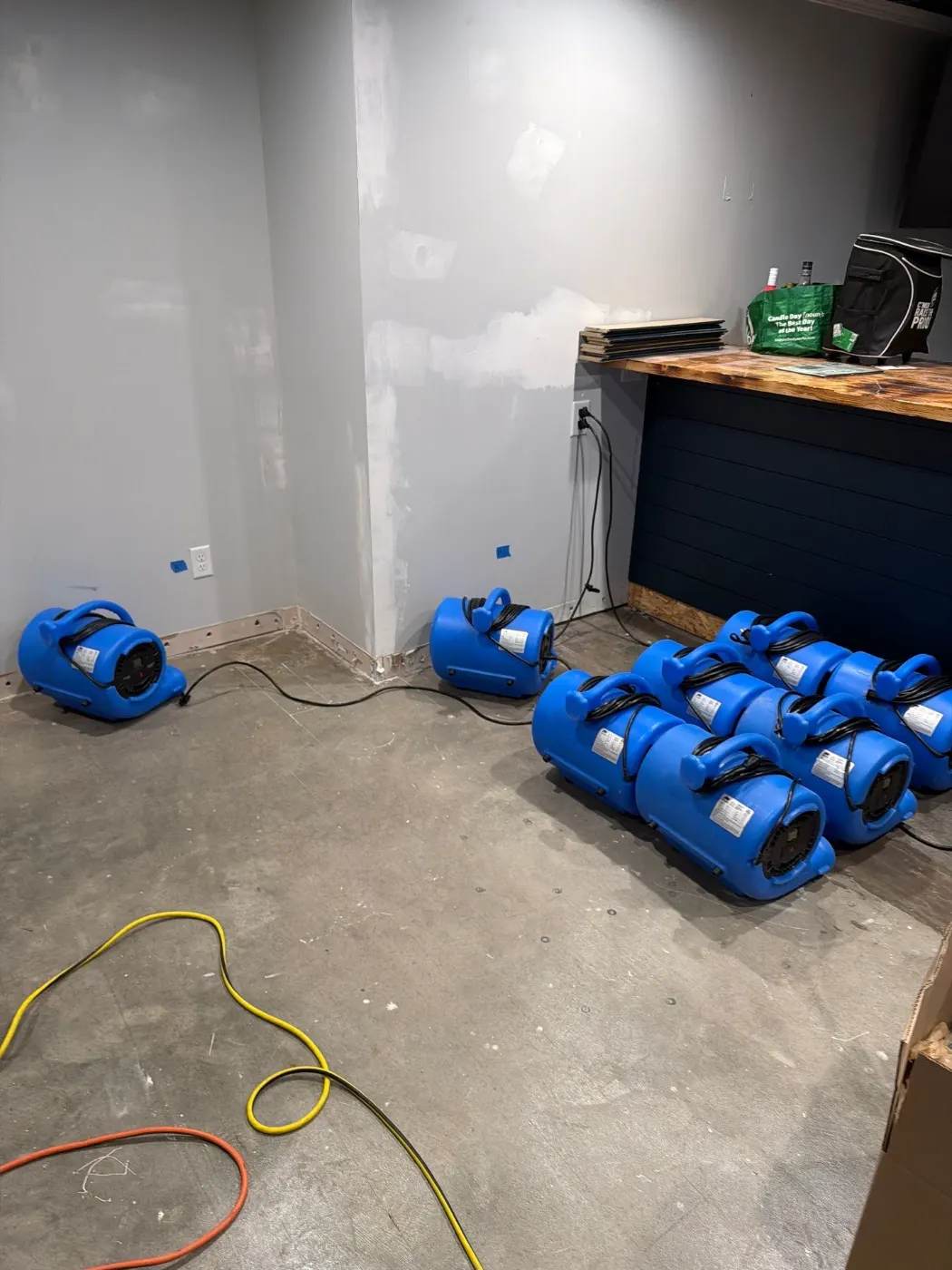
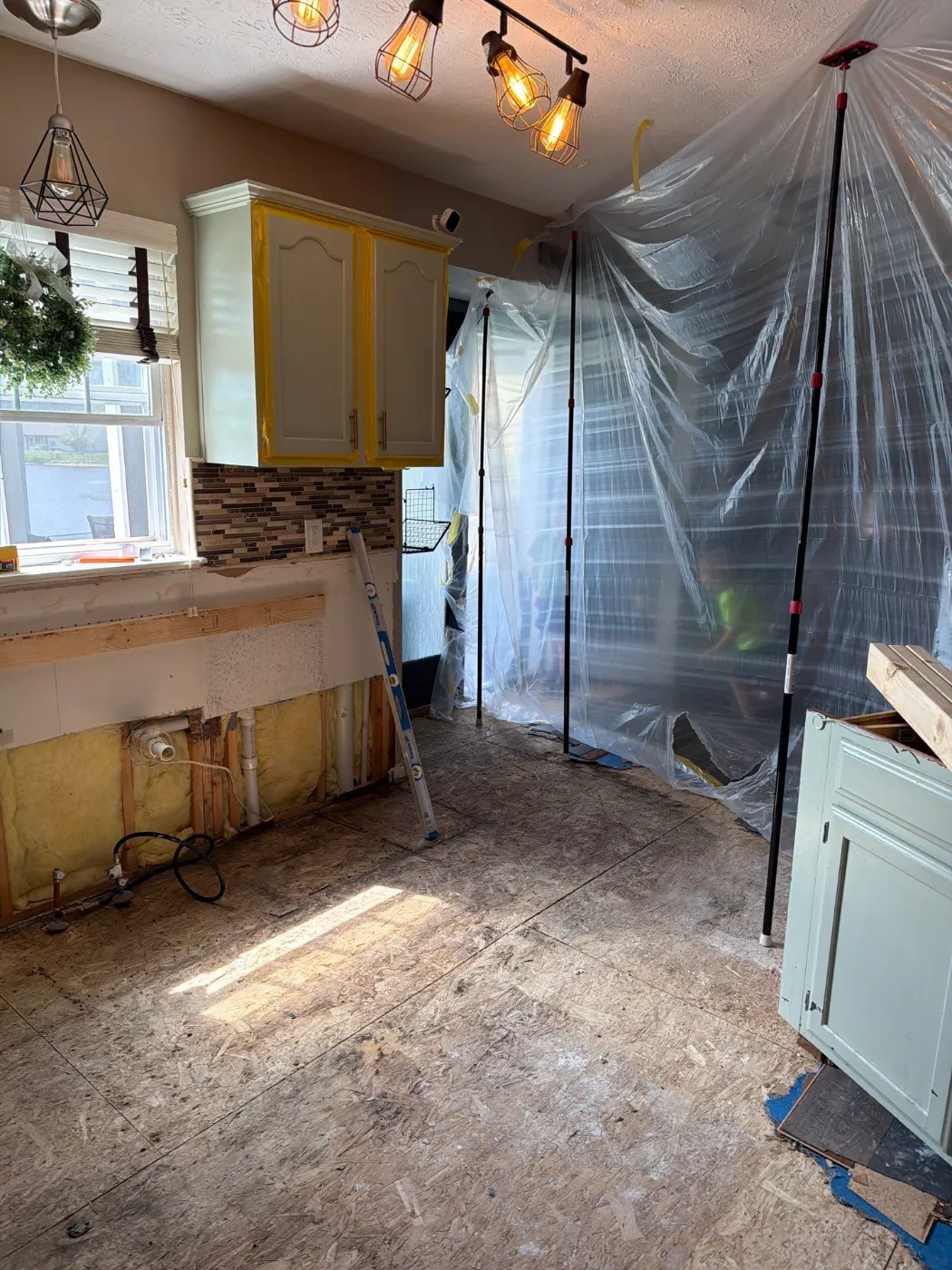
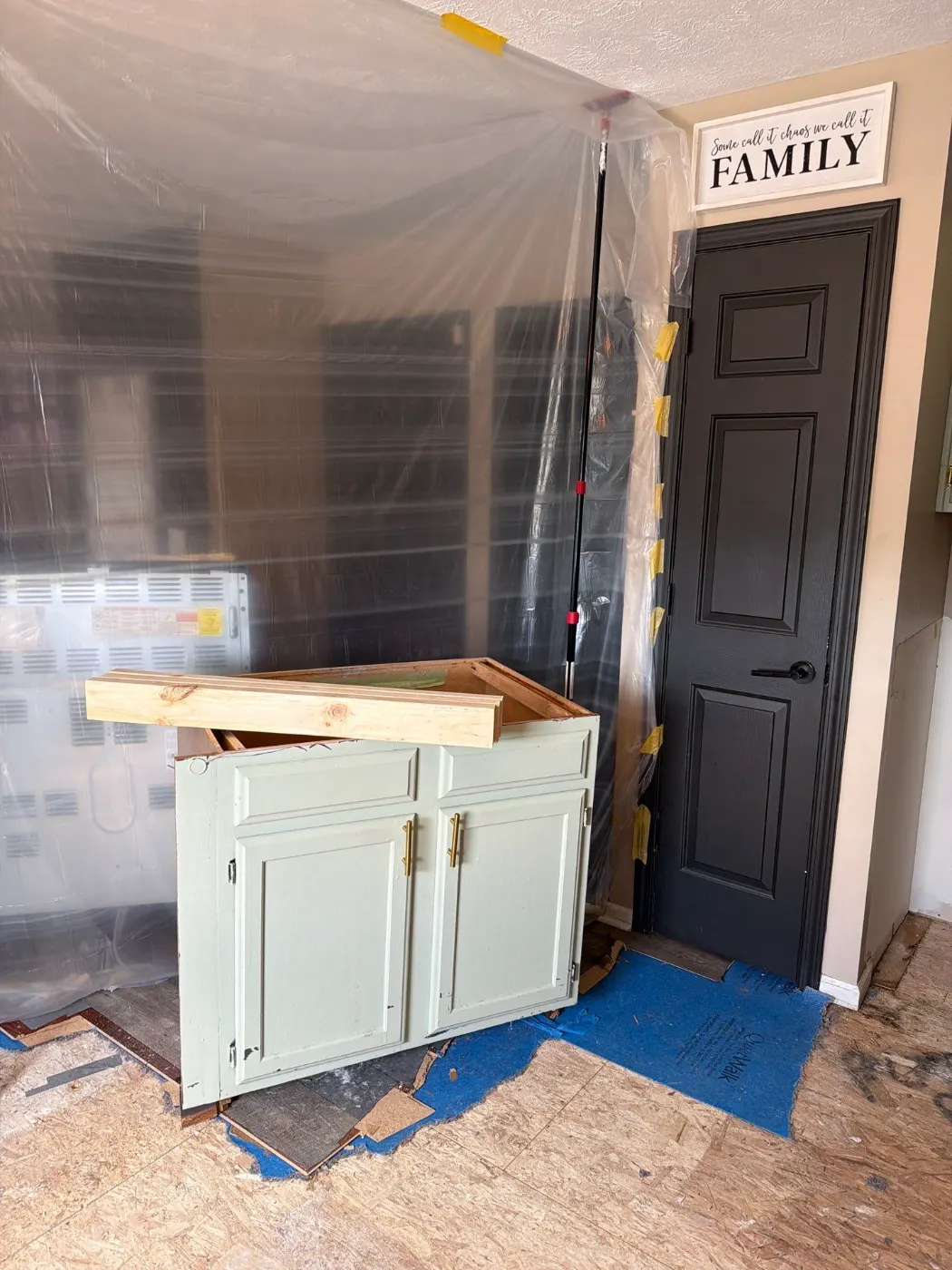
Photographs from real commercial storm damage jobs completed by our crew in Shelbyville and surrounding areas.
Commercial Storm Damage FAQ
Questions Shelbyville property managers ask us about commercial storm damage restoration.
Guidance and Standards for Commercial Storm Damage
- The National Weather Service office in Indianapolis posts summaries of recent central Indiana storm and flood events. NWS Indianapolis Event Summaries
- The ANSI/IICRC S500 is the published standard for professional water damage restoration. The current edition is the Fifth Edition, 2021. IICRC S500 Standard
Shelbyville Neighborhoods We Serve
We take commercial storm damage calls in every part of Shelbyville. Pick your neighborhood for local details.
Other Restoration Services in Shelbyville
Shelbyville Water Restoration handles the full scope of restoration work. Explore our other services below.
Water Damage Restoration in Shelbyville
24/7 emergency response. IICRC certified water restoration from extraction to full dry out.
Learn more →Basement Flooding in Shelbyville
Basement water emergencies handled fast. Extraction, drying, mold prevention.
Learn more →Sewage Cleanup in Shelbyville
Category 3 biohazard cleanup. Full containment, decontamination, structural restoration.
Learn more →Request Commercial Storm Damage Restoration
Reach Us Directly
Our team is available 24/7 for emergencies and ready to schedule inspections during business hours.
Need Immediate Help?
For active water or mold emergencies, call us directly. We are available 24/7.