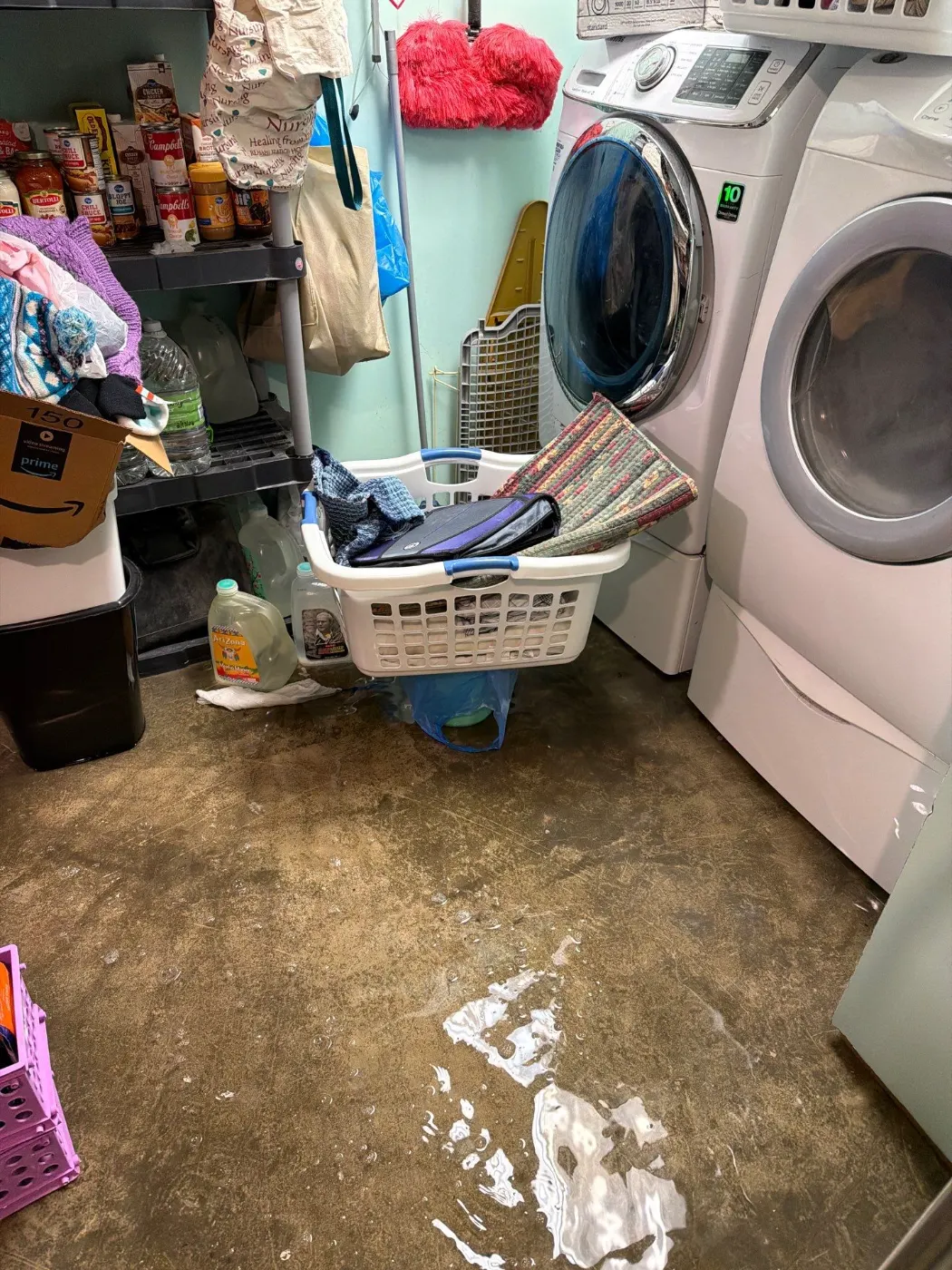
Commercial Sewage Cleanup in Shelbyville, IN
Property managers in Shelbyville get daily updates and a documented sewage cleanup from the first walkthrough to the final readings.
Need Commercial Sewage Cleanup in Shelbyville? Shelbyville Water Restoration answers 24/7 with certified crews, fast on-site response, and documentation built for your insurance claim. Call (765) 978-5086 now.
- Service: Commercial Sewage Cleanup for Shelbyville homeowners
- Service area: Shelbyville, IN and surrounding areas
- Response time: Fast local response for Shelbyville; live dispatch every hour of the year
- Licensed and insured (License #RC21100059)
- Serving Shelbyville, IN since 2018
Commercial Sewage Backup Cleanup in Shelbyville
We clean up sewage backups in commercial buildings across Shelbyville, and we'll keep the affected area sealed off from the rest of the building.
Sewer System Notes
Heavy rain can overload the sewer lines serving Shelbyville and push sewage into lower levels. On the first walkthrough, we'll check where your building ties into the public sewer and whether it has a backflow valve.
We handle commercial sewage jobs anywhere in Shelbyville, including the area near Public Square. We also handle commercial sewage backups in Waldron, Fairland, Morristown and Edinburgh.
Commercial Sewage Cleanup for Shelbyville Businesses
Your employees shouldn't be the ones mopping up a sewage backup. Sewage carries bacteria and other pathogens, and a wet vac with a bucket of bleach just spreads it across more floor. Shelbyville Water Restoration sends crews to Shelbyville commercial sewage losses in full PPE with sewage rated extraction equipment and HEPA filtration. The work follows a written standard, and nobody on your payroll has to be inside the contaminated zone.
Shelbyville Water Restoration closes a commercial sewage job on verification. Final moisture readings on every material that got wet get compared with unaffected materials in the same building, the cleaned surfaces get inspected and the condition gets photographed. Equipment comes out after that record is written, and your inspector reviews it from there for your Shelbyville property.
Cleaning on a sewage job happens in two passes. The first pass removes the soil load from every reachable surface with detergent and agitation, because an antimicrobial applied over residue doesn't reach what sits underneath it. The second pass applies an EPA registered antimicrobial at label dilution and holds the wet dwell time the label calls for. Shelbyville Water Restoration crews log the product, the dilution, and the contact time.
Claims get slower when the cause is unclear, so Shelbyville Water Restoration writes down what the plumber found. A blocked lateral, a collapsed section, a grease interceptor past capacity, a failed ejector pump, or a municipal surcharge are different facts to a carrier, and your policy may treat them differently. The plumbing report goes in the file next to the mitigation scope.
A backup found on a Saturday or a holiday morning still needs a crew, and calls to Shelbyville Water Restoration get answered on weekends and holidays for Shelbyville commercial properties. Tell the dispatcher what you can see and which areas have to reopen first, and the crew plans containment around that.
Signs You Need Commercial Sewage Cleanup
If you notice any of these in your Shelbyville building, schedule a free inspection before the issue worsens.
Greasy water pooling around the floor sink under a three compartment sink
Paper, solids, or sediment visible on a floor after standing water has receded
Dark staining or a residue ring spreading outward from a floor drain grate
Standing water in a elevator pit with an odor the building staff can smell
An ejector pit high level alarm sounding, or a pit you can see standing full
Drywall and base trim going soft along the bottom few inches of a restroom wall
Gray or brown water seeping under a restroom door into a hallway
Water seeping through a slab joint in a basement corner with a sewer smell
Sewage odor rising from a floor drain that was dry and odorless the week before
Several fixtures in the same restroom block draining slowly at the same time of day
How Shelbyville Water Restoration Handles Commercial Sewage Cleanup
We follow these steps in order on every Shelbyville job.
Dispatch and Assessment
A crew dispatches to the property within 2 hours. The lead walks the affected area with building staff, identifies the source and photographs the condition before anything gets touched or moved.
Containment and Access Control
Crews build 6 mil poly barriers with zipper entries around the affected area, seal the HVAC openings serving it, and put the zone under negative pressure with HEPA air scrubbers. Entry is limited to crew in PPE for the rest of the job.
Sewage Extraction
Pumps rated for solids remove standing waste before any drying equipment goes in. Hard floors get scraped and squeegeed. Saturated carpet and pad come up in bagged loads carried out through a route that avoids occupied space.
Moisture Mapping and Cut Lines
Once the standing waste is out, meters and a thermal camera trace the wet edge across floors and walls. The crew marks cut lines on the walls from those readings and photographs each mark before demolition begins.
Porous Material Removal
Materials that can't be cleaned to standard come out: drywall and base to a documented cut line, wet insulation, ceiling tile, carpet pad, and particleboard casework. Each cut line gets photographed first, and the waste leaves the building bagged and sealed.
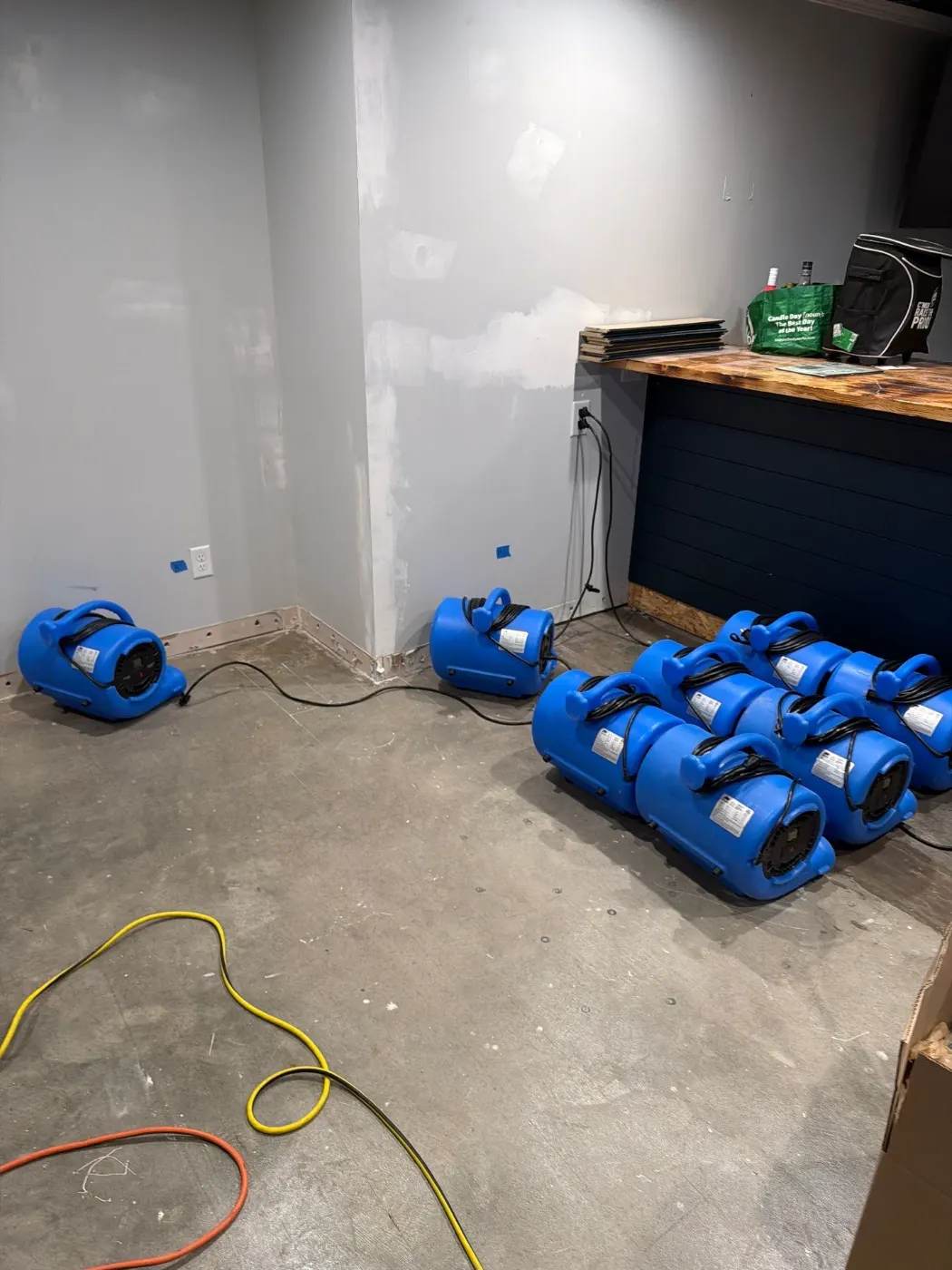
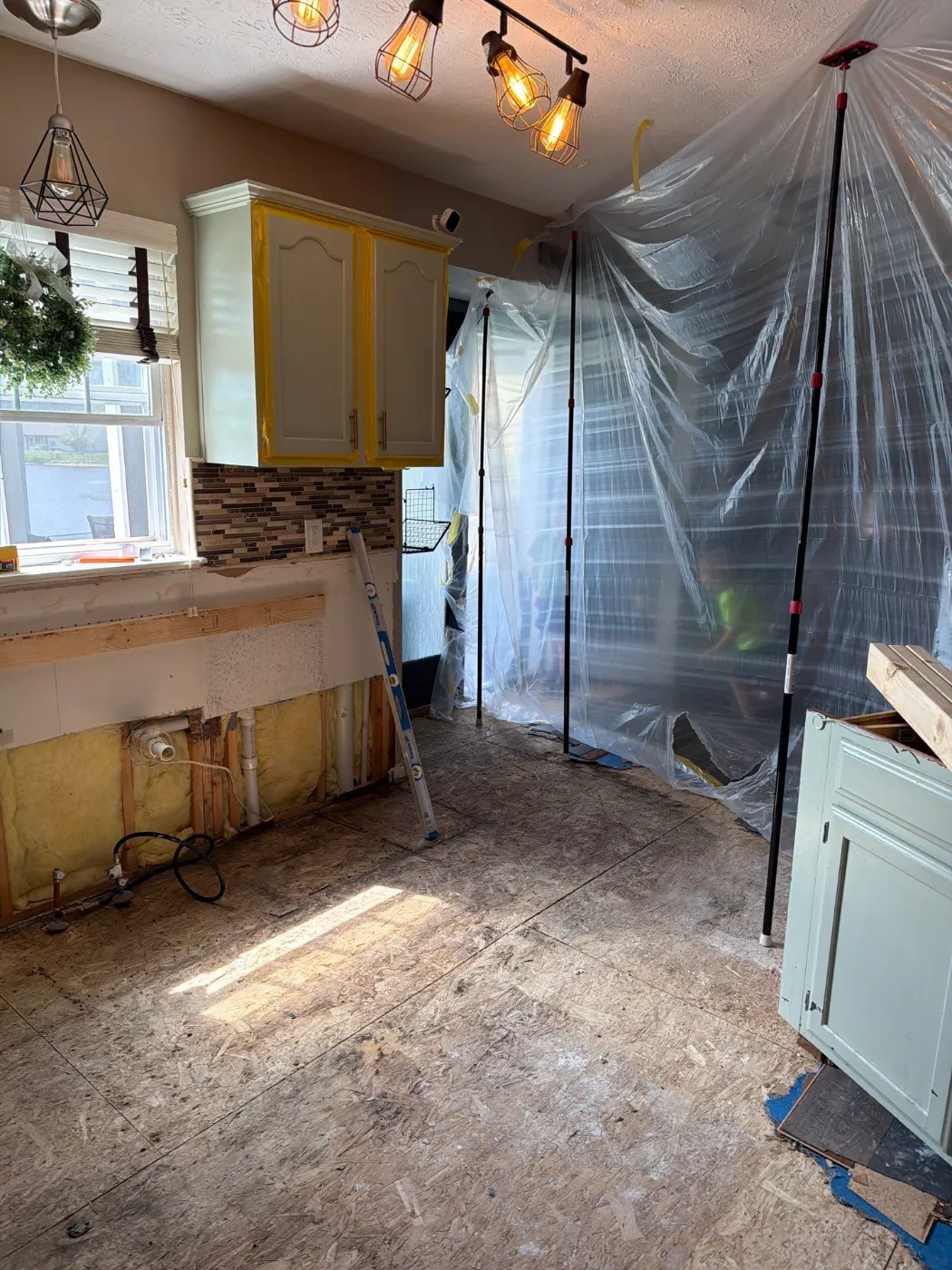
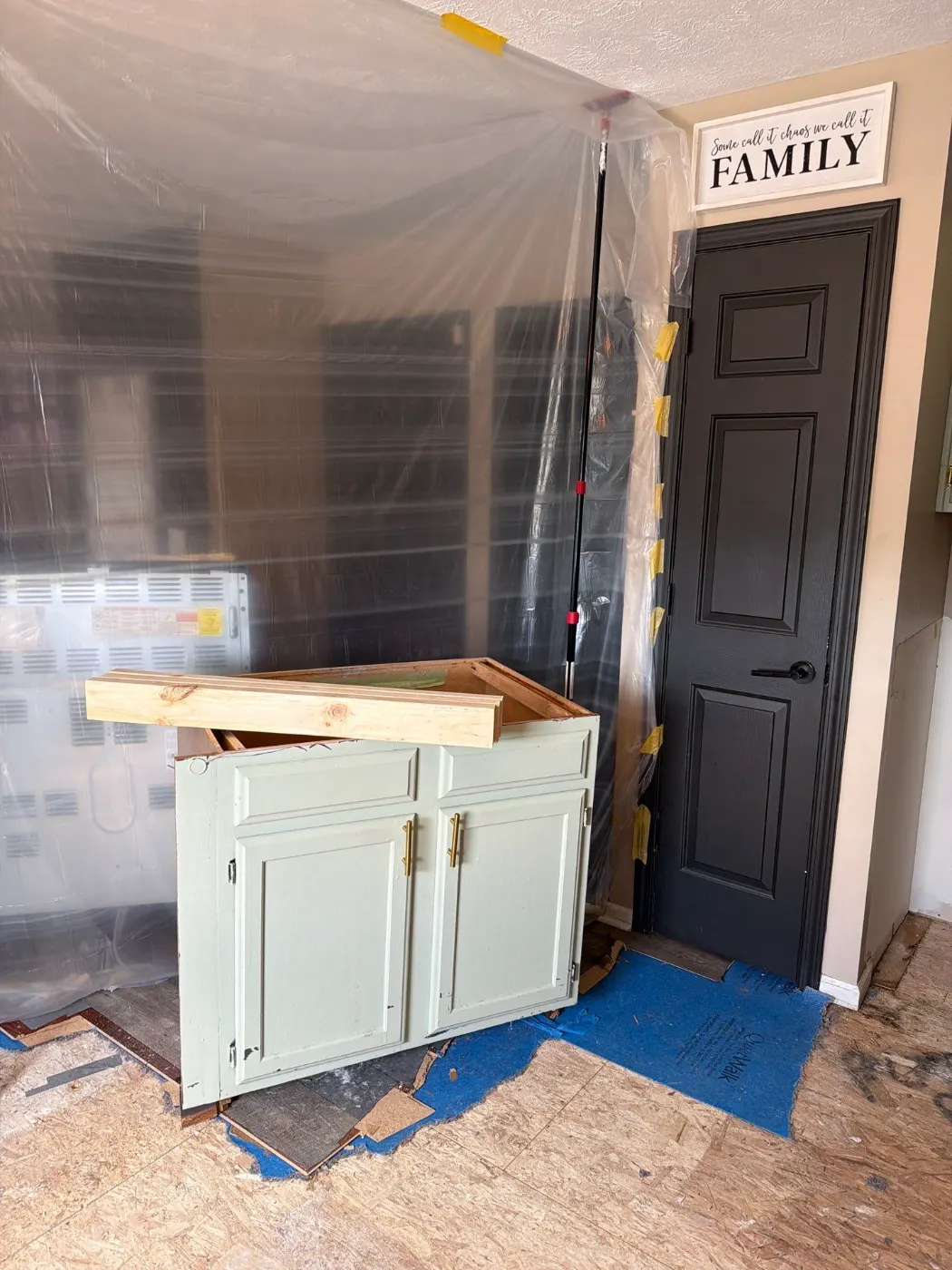
Commercial Sewage Cleanup in Shelbyville
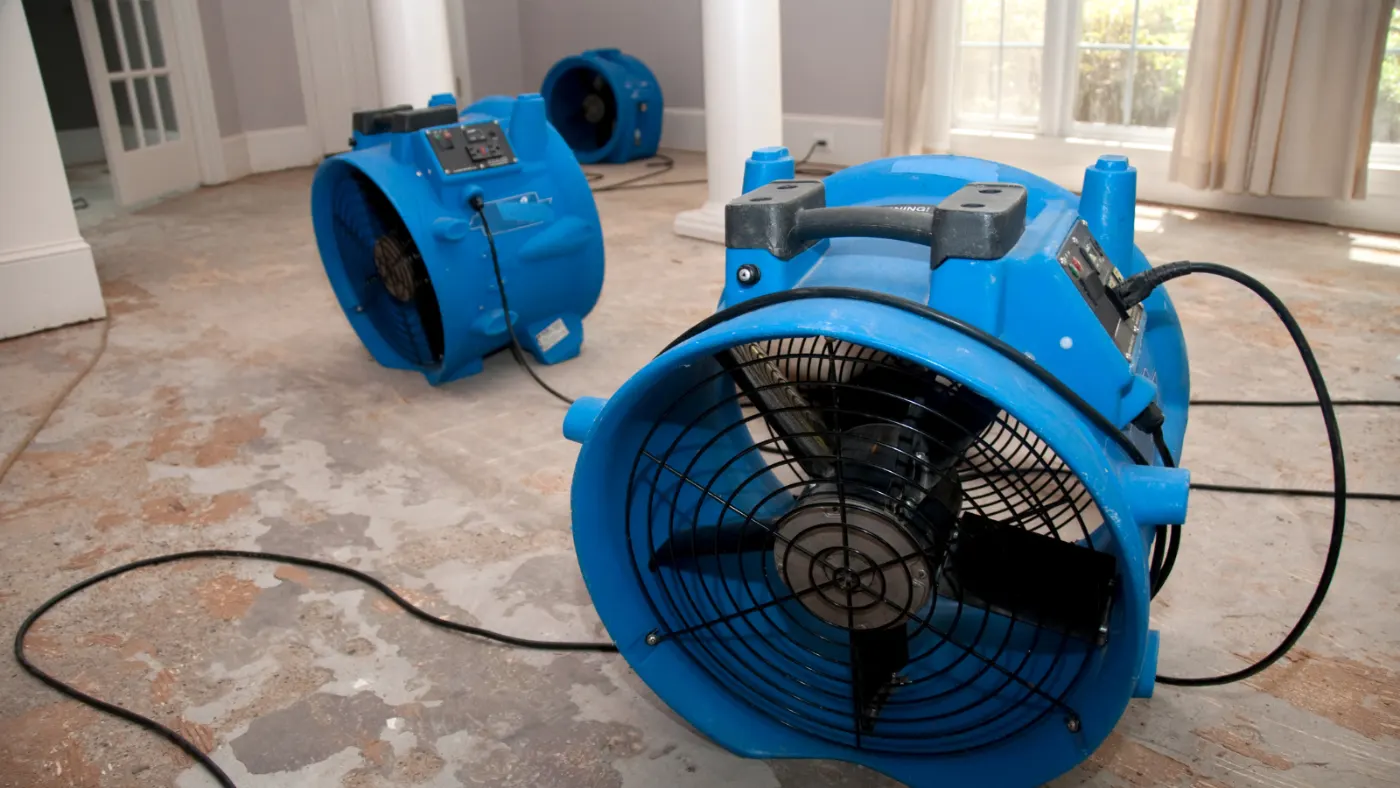
Photographs from real commercial sewage cleanup jobs completed by our crew in Shelbyville and surrounding areas.
Commercial Sewage Cleanup FAQ
Questions Shelbyville property managers ask us about commercial sewage cleanup.
Guidance and Standards for Commercial Sewage Cleanup
- The ANSI/IICRC S500 is the published standard for professional water damage restoration. The current edition is the Fifth Edition, 2021. IICRC S500 Standard
Shelbyville Neighborhoods We Serve
We take commercial sewage cleanup calls in every part of Shelbyville. Pick your neighborhood for local details.
Other Restoration Services in Shelbyville
Shelbyville Water Restoration handles the full scope of restoration work. Explore our other services below.
Water Damage Restoration in Shelbyville
24/7 emergency response. IICRC certified water restoration from extraction to full dry out.
Learn more →Basement Flooding in Shelbyville
Basement water emergencies handled fast. Extraction, drying, mold prevention.
Learn more →Sewage Cleanup in Shelbyville
Category 3 biohazard cleanup. Full containment, decontamination, structural restoration.
Learn more →Request Commercial Sewage Cleanup
Reach Us Directly
Our team is available 24/7 for emergencies and ready to schedule inspections during business hours.
Need Immediate Help?
For active water or mold emergencies, call us directly. We are available 24/7.