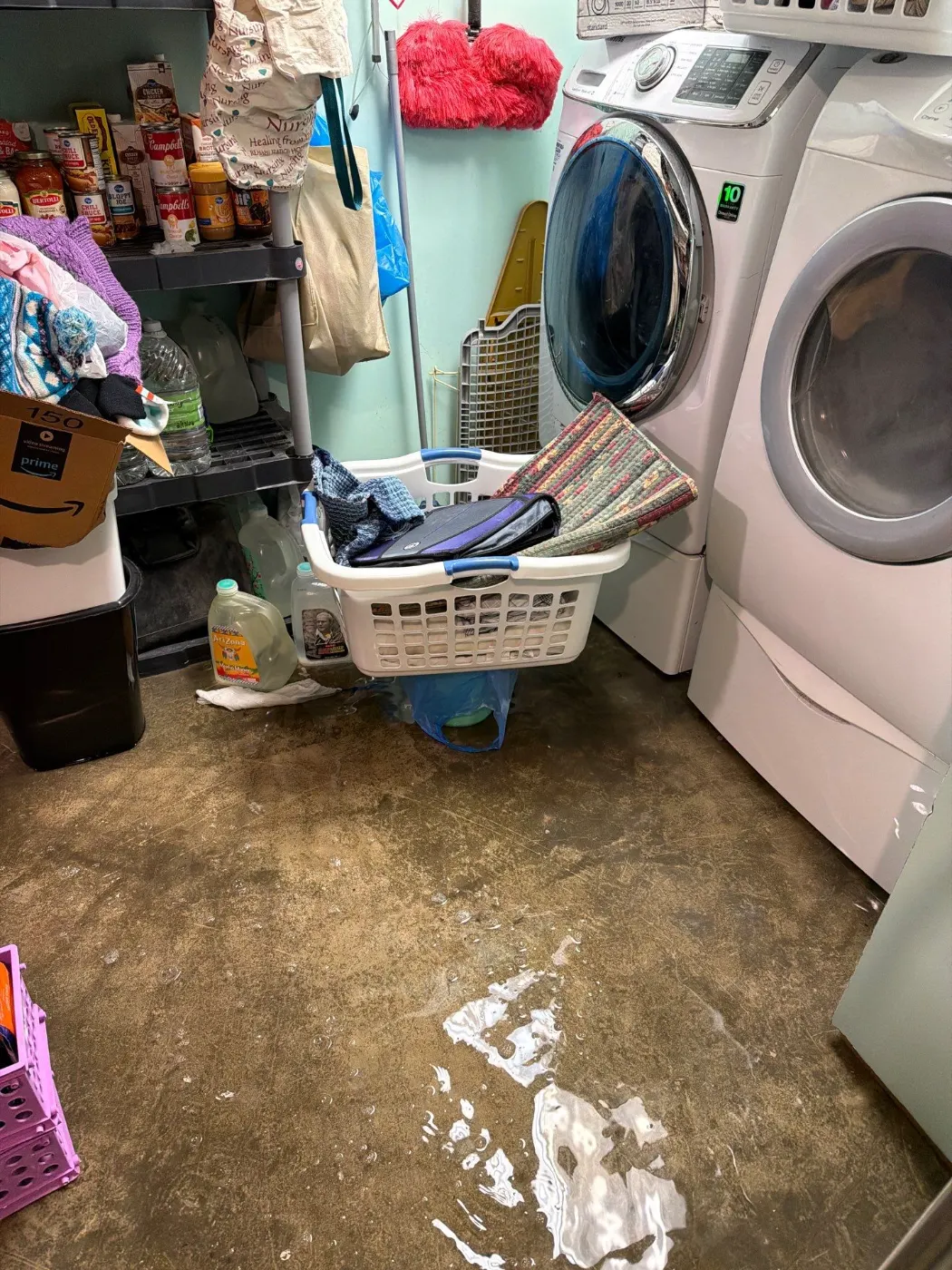
Commercial Water Restoration in Shelbyville, IN
Fire sprinkler discharge, riser failures and roof drain backups in Shelbyville get a crew dispatched within 2 hours.
Shelbyville Water Restoration provides professional Commercial Water Restoration in Shelbyville: emergency availability every day of the year, certified crews, and coordination with your insurance carrier on approved claims. Call (765) 978-5086.
- Service: Commercial Water Restoration for Shelbyville homeowners
- Service area: Shelbyville, IN and surrounding areas
- Response time: Fast local response for Shelbyville; live dispatch every hour of the year
- Licensed and insured (License #RC21100059)
- Serving Shelbyville, IN since 2018
Commercial Water Damage Restoration in Shelbyville
We handle commercial water damage restoration throughout Shelbyville, and we'll stay on it from the first walkthrough to the final moisture readings.
Site Conditions
Properties near the Big Blue River and the Little Blue River carry added flood risk in heavy rain. Freeze and thaw cycles each winter can burst pipes in unheated parts of a commercial building. Your building's own drains and roof get checked on the first walkthrough with whoever manages the property.
We cover commercial properties across Shelbyville, including the area around Public Square. We also handle commercial water losses in Edinburgh, Greensburg, Saint Paul and Waldron.
Commercial Water Restoration for Shelbyville Businesses
In a strip center, water from one unit can slip past the demising wall and into the neighbor's space before anyone notices. A salon or a retail shop next door ends up with wet drywall and a lease question. Shelbyville Water Restoration documents each unit separately in Shelbyville, so the landlord and every tenant get a record for their own space.
Finding where the water went decides the whole scope. Shelbyville Water Restoration crews map with thermal imaging, moisture meters and small inspection holes, then record readings by location so the next day's numbers mean something. On a loss that crossed floors in your Shelbyville building, that mapping is usually what finds the areas nobody had reported wet yet.
Scheduling gets built around your operations. Crews run loud work overnight or on a weekend, break the floor into zones, and move equipment through a freight lift on the hours your building allows. Daily readings still happen on a 24 hour cycle whenever the heavy work runs. Shelbyville Water Restoration confirms the schedule with building engineering and your management office before a crew shows up on site.
Commercial adjusters want a file they can price. Shelbyville Water Restoration builds one from the first hour: photographs by area, moisture readings logged daily by location and material, the water category with the reasoning behind it, an equipment list with hours, and scope itemized by suite. You or your broker submit it and make the coverage decisions with your carrier. The documentation exists so nobody has to take anybody's word for what was wet.
Phone before staff start cleaning up, so the first photographs show the loss as it was found. Shelbyville Water Restoration documents the wet areas of your Shelbyville building and sets the drying plan from the moisture map, which gives your carrier and your owner the same starting record.
Signs You Need Commercial Water Restoration
If you notice any of these in your Shelbyville building, schedule a free inspection before the issue worsens.
Patches of a concrete slab staying dark for hours after everything around them dried
Water bills for the property climbing with no change in occupancy or use
Standing water in the lift pit, or a pit alarm showing on the monitoring panel
The water meter still turning overnight while every fixture in the building is shut off
Ice machine or dishwasher line leaking under equipment and spreading beneath the cove base
Musty smell in a stockroom or storage closet that wasn't there last week
Drinking fountain supply line weeping inside a wall cavity
Ice building up on a walk in cooler floor where water collected and refroze
Rust staining at the base of steel studs, shelving uprights or racking posts
Brown stains forming on ceiling tiles beneath a roof drain location after a storm
How Shelbyville Water Restoration Handles Commercial Water Restoration
We follow these steps in order on every Shelbyville job.
Dispatch and Site Access
A crew dispatches to the property once the call comes in. The team sends the certificate of insurance and vendor paperwork ahead, so badging, loading dock use and freight lift access are cleared before the truck arrives.
Power and Panel Check
Before equipment goes in, your electrician deenergizes circuits that serve wet areas, and the crew checks outlets and floor boxes for moisture. Drying equipment then runs on protected circuits with the load spread across panels.
Selective Removal
Material comes out of your Shelbyville building where the meters and the water category support it, and stays where it can dry in place. Each cut is photographed and logged by location, and the list is reviewed with you in writing.
Daily Monitoring and Reporting
A technician reads the same locations every 24 hours, logs them against unaffected baseline readings taken elsewhere in the building, and repositions equipment as the wet zones shrink. The day's numbers go to your management office.
Claim Documentation Package
Photographs by area, daily moisture logs, equipment placement and hour records, category justification, and scope itemized by suite all go into one file. You and your broker submit it and make coverage decisions with your carrier.
Commercial Water Restoration in Shelbyville
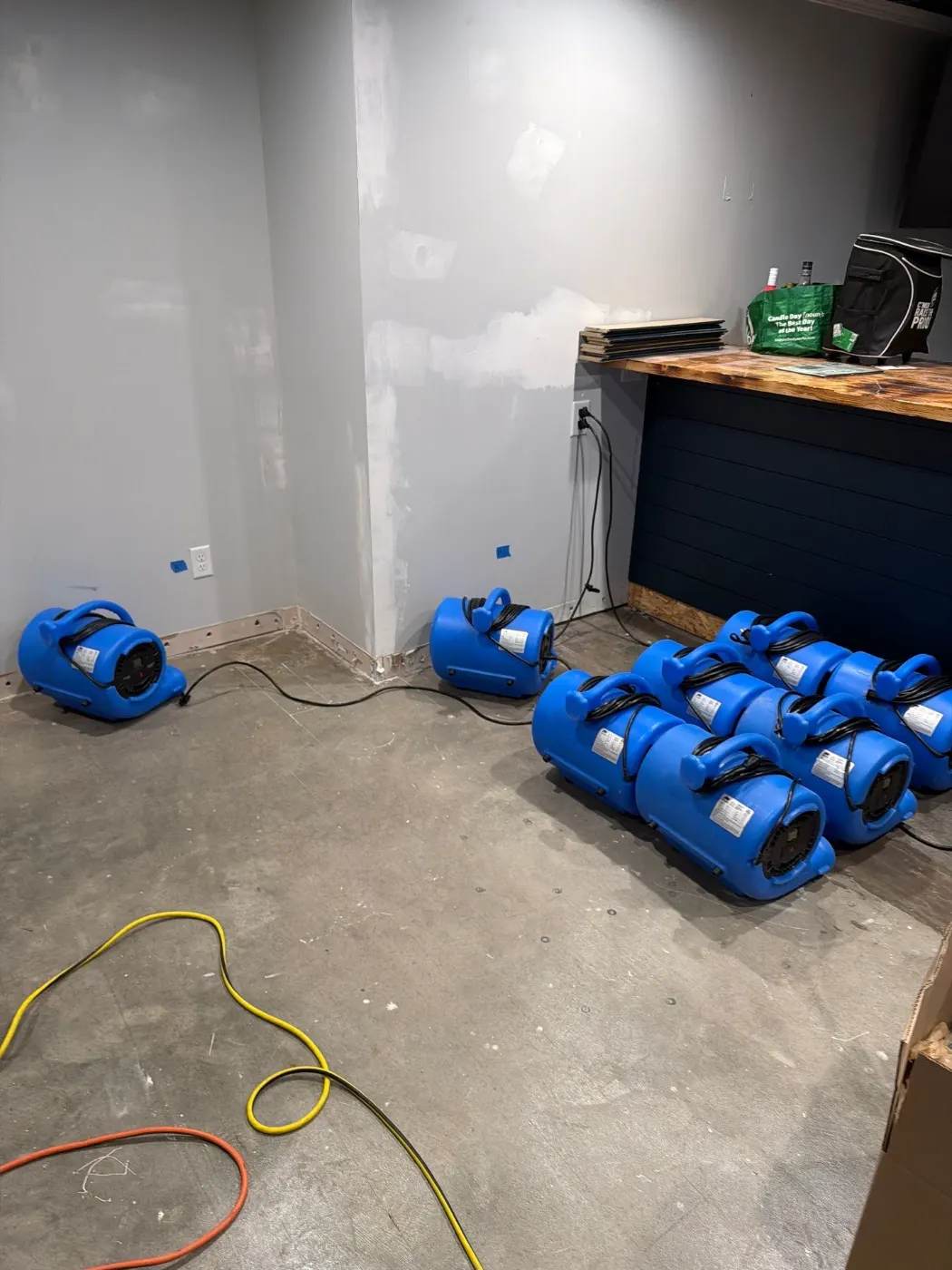
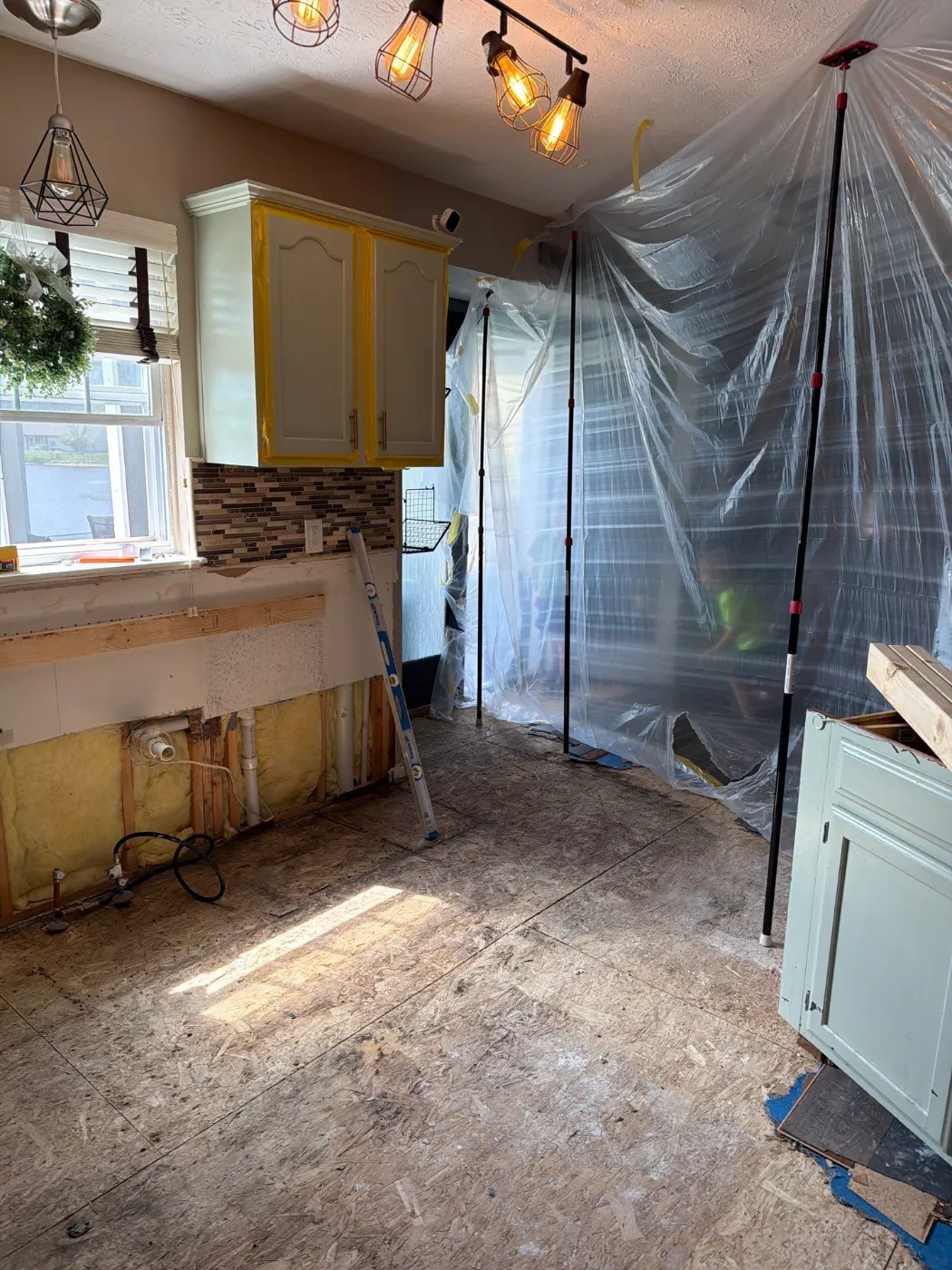
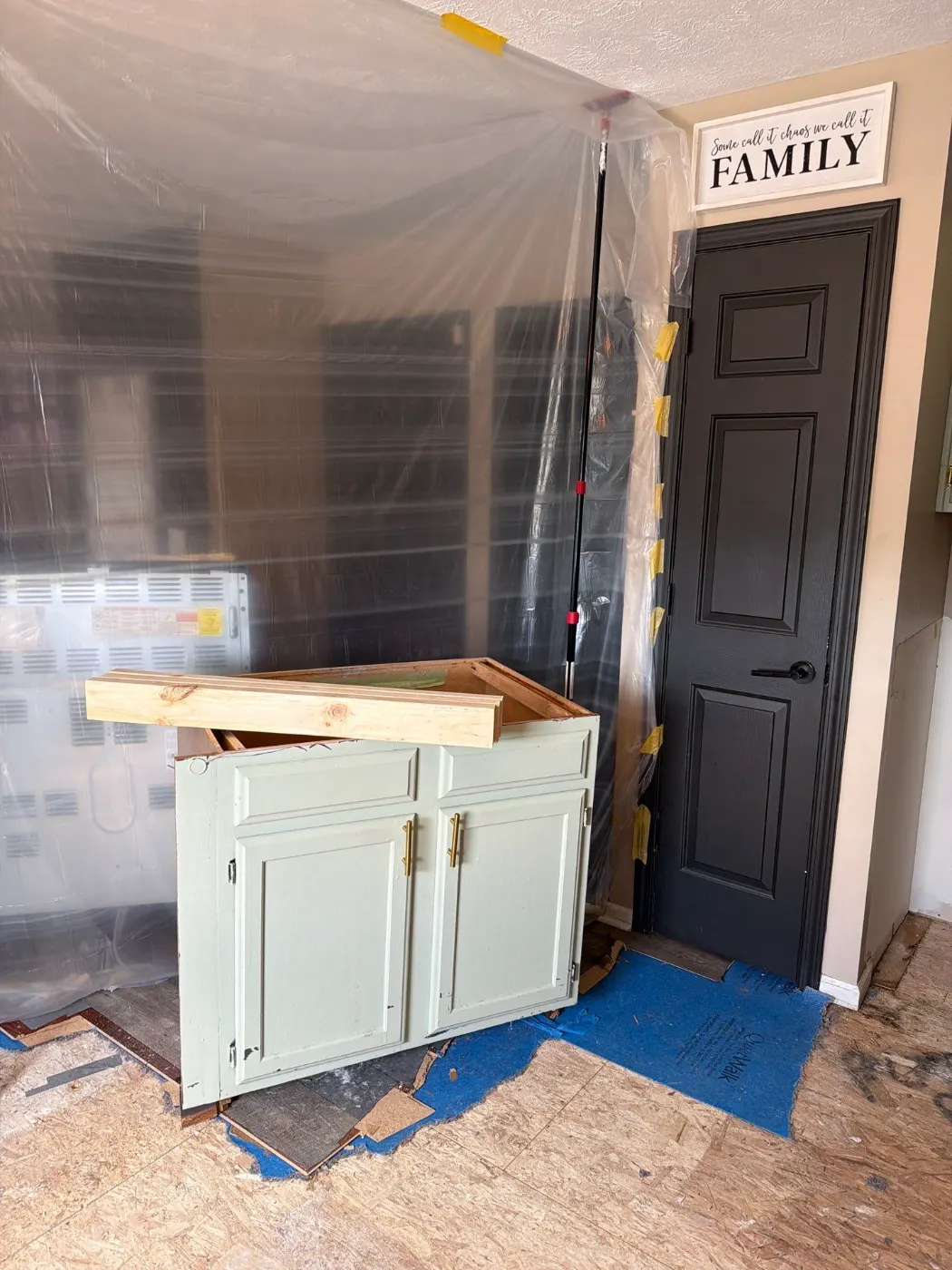
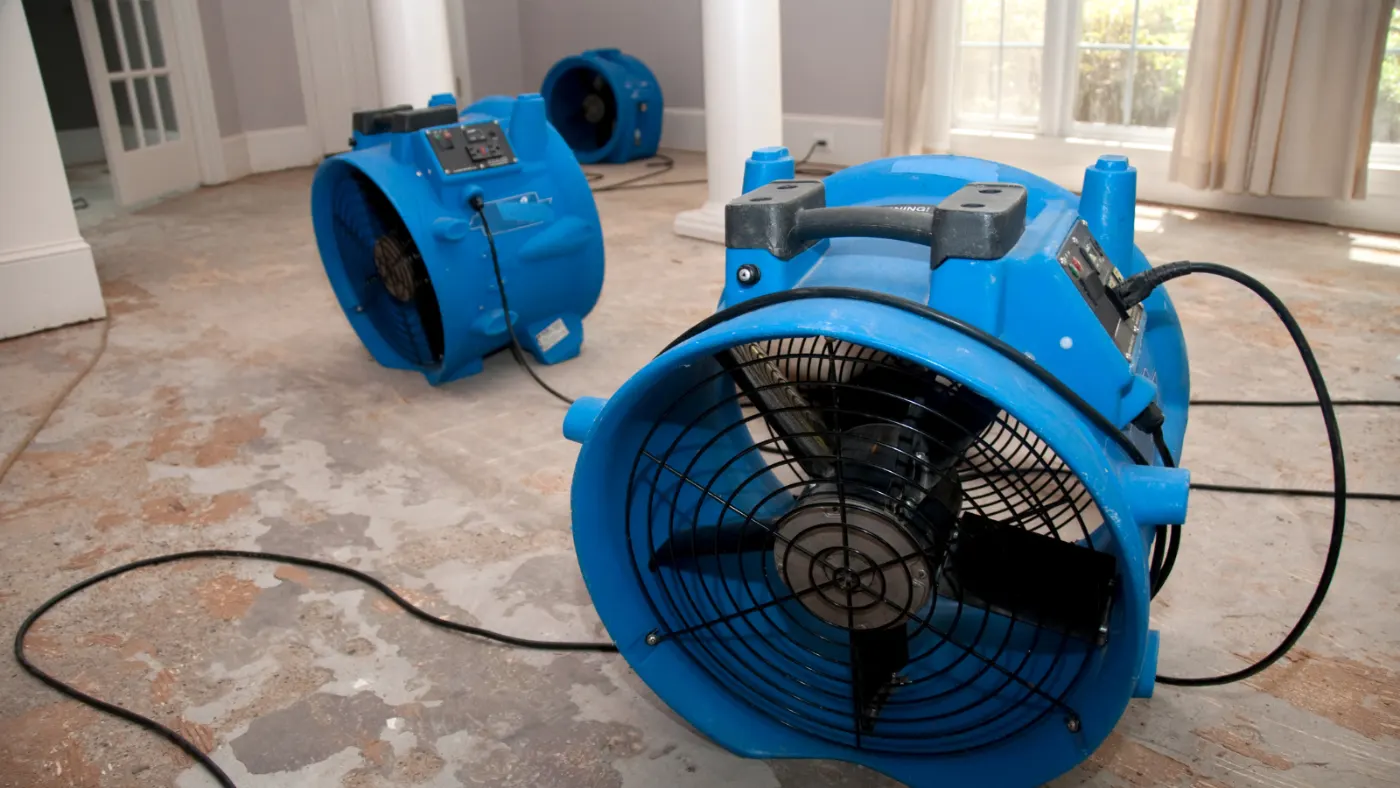
Photographs from real commercial water restoration jobs completed by our crew in Shelbyville and surrounding areas.
Commercial Water Restoration FAQ
Questions Shelbyville property managers ask us about commercial water restoration.
Guidance and Standards for Commercial Water Restoration
- The ANSI/IICRC S500 is the published standard for professional water damage restoration. The current edition is the Fifth Edition, 2021. IICRC S500 Standard
- EPA advises drying water damaged areas and items within 24 to 48 hours to prevent mold growth. EPA: A Brief Guide to Mold, Moisture and Your Home
Shelbyville Neighborhoods We Serve
We take commercial water restoration calls in every part of Shelbyville. Pick your neighborhood for local details.
Other Restoration Services in Shelbyville
Shelbyville Water Restoration handles the full scope of restoration work. Explore our other services below.
Water Damage Restoration in Shelbyville
24/7 emergency response. IICRC certified water restoration from extraction to full dry out.
Learn more →Basement Flooding in Shelbyville
Basement water emergencies handled fast. Extraction, drying, mold prevention.
Learn more →Sewage Cleanup in Shelbyville
Category 3 biohazard cleanup. Full containment, decontamination, structural restoration.
Learn more →Request Commercial Water Restoration
Reach Us Directly
Our team is available 24/7 for emergencies and ready to schedule inspections during business hours.
Need Immediate Help?
For active water or mold emergencies, call us directly. We are available 24/7.